
Views: 0 Author: Site Editor Publish Time: 2025-08-11 Origin: Site


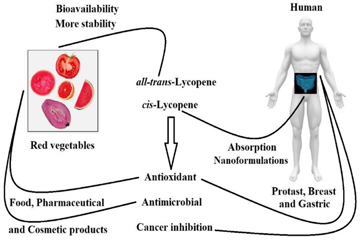
Lycopene, a naturally occurring carotenoid responsible for the red pigment in tomatoes and other fruits, is widely recognized for its powerful antioxidant and anti-inflammatory effects. Today, it’s gaining renewed attention in clinical research for its promising role in cancer prevention and adjunctive treatment—particularly when delivered as a lycopene supplement.
Emerging evidence highlights key lycopene benefits in various cancers, including prostate, breast, and colorectal malignancies. Studies suggest lycopene can:
Induce cell cycle arrest and apoptosis
Regulate critical pathways such as IGF-1 and NF-κB
Suppress tumor progression and oxidative damage
Recent bioinformatics-driven research on oral cancer identified lycopene interactions with 56 cancer-associated targets, especially within the EGFR pathway. These interactions offer exciting prospects for targeted intervention.
Moreover, lycopene combined with ALA-PDT (aminolevulinic acid–photodynamic therapy) significantly enhances reactive oxygen species clearance and inhibits tumor growth, making it a promising candidate for combination therapies now being tested in preclinical models.
One of the main challenges with lycopene is its poor natural solubility and bioavailability. Cutting-edge delivery technologies—such as liposomes, polymeric nanoparticles, and nanoemulsions—are now being developed to overcome this. These nanocarrier-based lycopene systems improve absorption and stability, enabling more consistent therapeutic effects, especially in oncology and chronic inflammation models.
Among all its applications, lycopene is perhaps most well-known for supporting prostate health. Clinical studies show that regular lycopene intake may lower the risk of prostate cancer and improve PSA levels. When choosing the best lycopene supplement for prostate health, look for formulations with enhanced bioavailability, often those that utilize nano-formulation or oil-based carriers for optimal delivery.
As science continues to uncover the molecular mechanisms of lycopene, this carotenoid is transitioning from a simple dietary antioxidant to a potential adjuvant in cancer therapy. Whether delivered through diet or advanced lycopene supplements, its ability to interact with critical cellular pathways and enhance treatment efficacy positions it as a high-potential compound in modern pharmaceutical development.
If you're sourcing high-purity lycopene for formulation or research, ensure quality, bioavailability, and clinical alignment with emerging applications in cancer and inflammatory diseases.


